Windsor Framework: Leveraging Technology to Revolutionize Customs
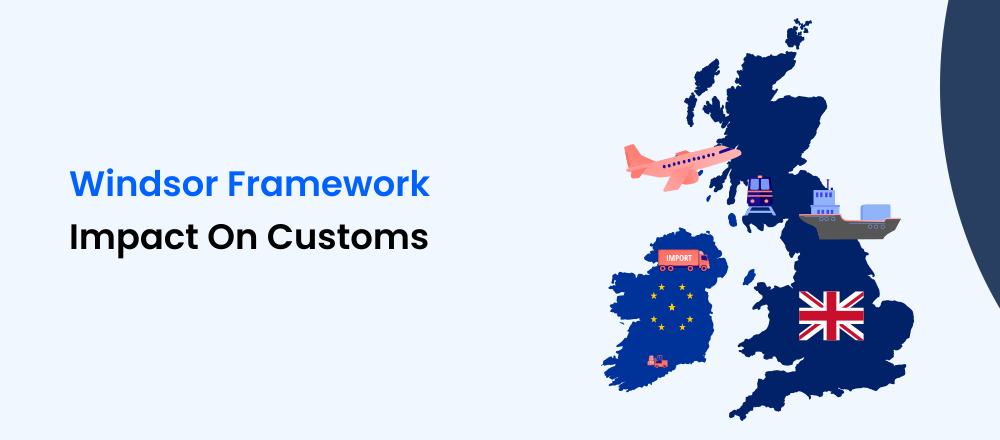
The Windsor Framework, agreed on February 27, 2023, is the UK government's initiative to replace the Northern Ireland Protocol. This protocol, part of the Brexit withdrawal agreement, created customs checks between Great Britain and Northern Ireland, effectively forming a customs border in the Irish Sea. The Framework aims to:
Restore seamless trade within the UK.
Preserve Northern Ireland’s place in the Union.
Address democratic deficits from the original protocol.
These new arrangements were formally adopted on March 24, 2023, introducing significant changes to customs operations.
Tech-Driven Impact on Customs
The Windsor Framework seeks to reintegrate Northern Ireland into the UK internal market by eliminating customs checks on goods moving between Northern Ireland and Great Britain. This involves replacing over 1,700 pages of EU law with UK regulations, leveraging technology to streamline processes.
Key Feature: The Green Lane
The “Green Lane” is a notable feature, reducing unnecessary checks and documentation for goods sold in Northern Ireland. A business representative remarked, “The ‘green lane’ with reduced checks is a game-changer for businesses, streamlining trade within the UK and cutting costs and delays.”
Tech Enhancements in Customs Operations
Automation and Efficiency
- Automated systems and digital tools cut down clearance times, saving money and boosting economic activity. AI and machine learning algorithms play a crucial role in predicting and managing customs workflows.
Transparency through Blockchain
- Blockchain technology enhances transparency, reducing the risk of corruption and bribery by providing an immutable ledger of transactions and customs declarations.
Standardization Simplifying Trade
- Digital platforms standardize documentation and procedures, making trade easier. This ensures consistency and provides easy access to necessary forms and compliance checks.
Security and Compliance with IoT
- IoT devices and sensors enable real-time shipment tracking, improving regulatory compliance and security by offering data on the location and condition of goods.
Global Economic Impact via Tech Integration
- Advanced technologies like AI, blockchain, and IoT promote international trade, investment, job creation, and the exchange of goods and services by making customs operations more efficient and secure.
Challenges: The Devil is in the Details
Despite technological advancements, goods moving from Northern Ireland to the EU must still follow EU customs rules, creating administrative hurdles. A new data-sharing system is being implemented to monitor risks and reduce the need for physical checks, using big data and analytics for risk assessment.
Conclusion
The Windsor Framework represents a significant modernization of customs operations in Northern Ireland, using technology to enhance efficiency, transparency, and security. However, companies exporting to the EU must continue to navigate EU regulations.
Curious about how tech is transforming customs and trade under the Windsor Framework? Dive into the full article here.


